
Why Burnout Sneaks Up on You And How to Catch It Early
Most people think stress and burnout are the same thing. Both feel exhausting, overwhelming, and draining so it is easy to confuse them. But as Snowden McFall shared in a conversation on Success Thru Connections, stress and burnout are not identical.
Stress is usually temporary and triggered by outside pressures. Burnout, on the other hand, is prolonged stress that depletes your energy, health, and joy. The good news is, by learning the differences, you can catch burnout before it takes over and protect both your mental health and performance.
Here are the key lessons:
1. Stress vs. Burnout: They Are Not the Same
One of the biggest misconceptions Snowden clears up is the difference between stress and burnout. She explains that stress is usually short-term and is caused by outside circumstances like a job loss or family illness.
Burnout on the other hand, is prolonged stress that leads to exhaustion, irritability, hopelessness, and even physical symptoms.
2. Warning Signs You Should Not Ignore
Snowden McFall highlights a few early red flags that often go unnoticed until it’s too late:
Neglecting yourself – Skipping exercise, putting off doctor visits, or abandoning small routines that once made you feel good.
Constant irritability and low energy – Feeling snappy, drained, or like you’re running on fumes no matter how much you rest.
Hopelessness creeping in – A quiet sense of despair that starts to color your everyday life.
These signs may seem small at first, but together they paint a bigger picture you might be closer to burnout than you realize.
 3. The Science of Doomscrolling
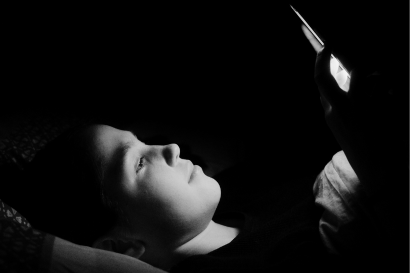
One of the most eye-opening parts of the conversation was about doomscrolling endlessly consuming bad news on social media or TV.
Snowden explained that :
“Your body cannot distinguish between others’ stress and your stress. When you watch trauma on the news or social media, your body absorbs it as if it happened to you.”
That means your nervous system reacts to someone else’s trauma the same way it would if it were your own. The result is elevated cortisol, a taxed immune system, and a body stuck in survival mode.
How to fix it is
Take 24 hours off the news and social media.
Surround yourself with people who feel safe.
Try bilateral movement like walking or swimming to reset your brain.
4. Recovery Requires More Than Rest
Many people think sleep or a weekend away will fix burnout. Unfortunately, rest alone is not enough. Recovery requires reconnection to yourself, your values, and what truly gives your life meaning.
This can look like community, hobbies, movement, or simply stepping back from things that no longer align with you.
 5. Why Connection Matters More Than Ever
One of the most powerful insights Snowden McFall shared is the role of relationships in both health and success. As she explains:
“One of the major longevity factors is social connection. Community and friendship are critical to surviving and thriving.”
From ballroom dancing to business networking, Snowden’s own journey has been fueled by meaningful relationships. These connections have not only provided emotional support during challenging times but also opened unexpected doors.
It is a reminder that while self-care protects us from burnout, connection sustains us. Building and nurturing authentic relationships is not just good for the soul it is essential for long-term well-being.
Final Takeaway: Prevention is the Cure
Stress is unavoidable, but burnout does not have to be. By recognizing the difference, setting boundaries, and making space for joy, you can stop the slide from stress into burnout.
🎧 Want to more insights like this?
Listen to the full conversation with Snowden McFall on Success Thru Connections. You will discover practical strategies to spot burnout early, set healthy boundaries, and recharge in ways that actually work. Listen to the episode now!
